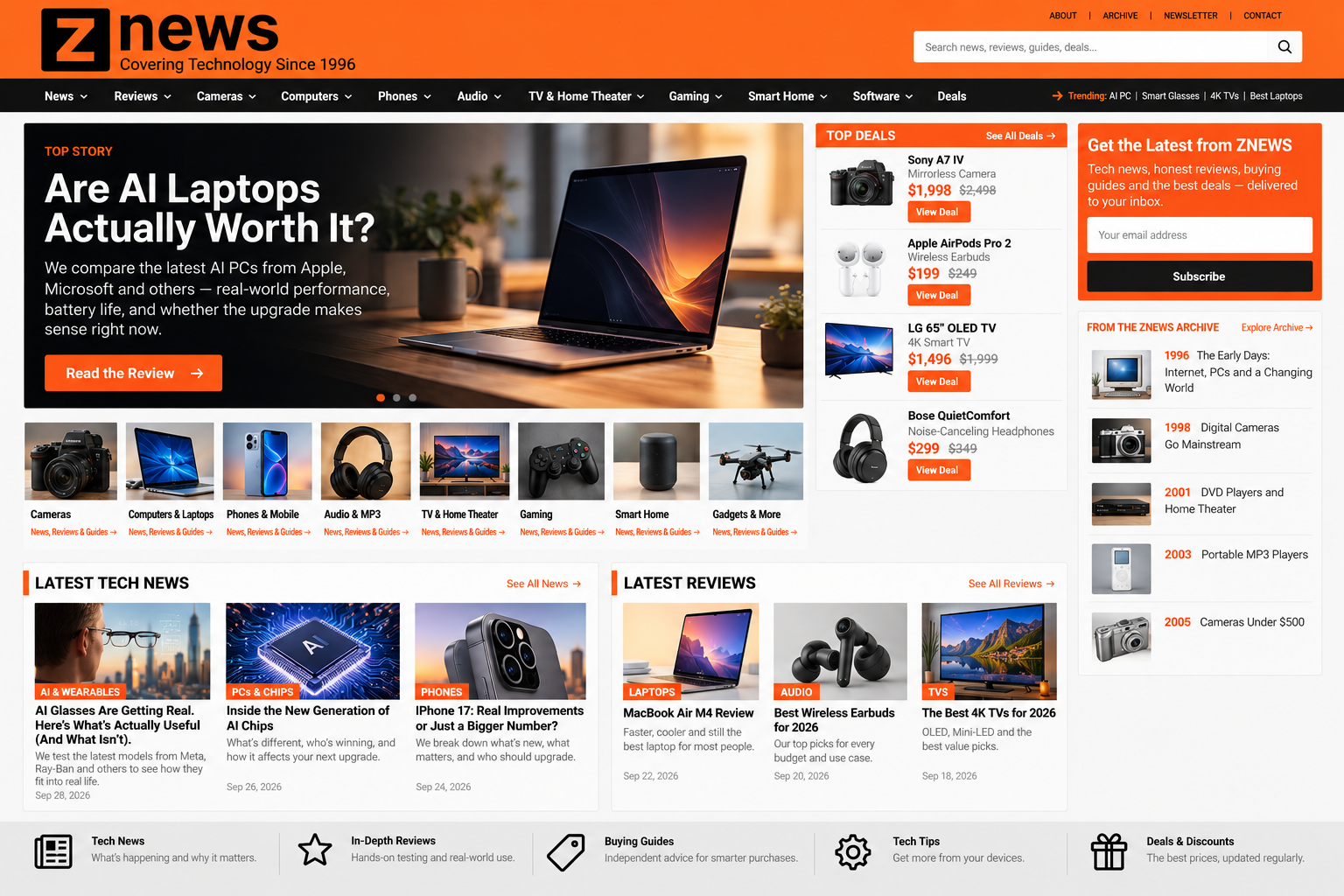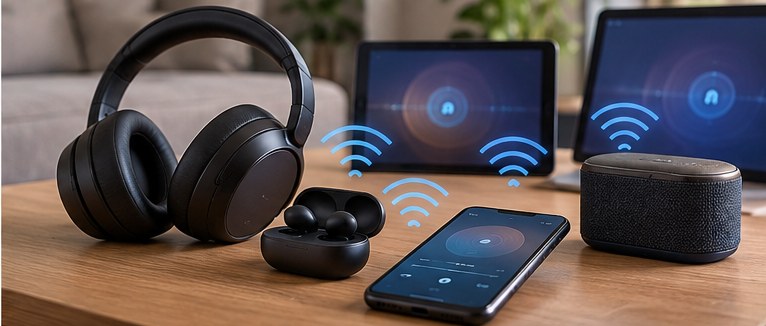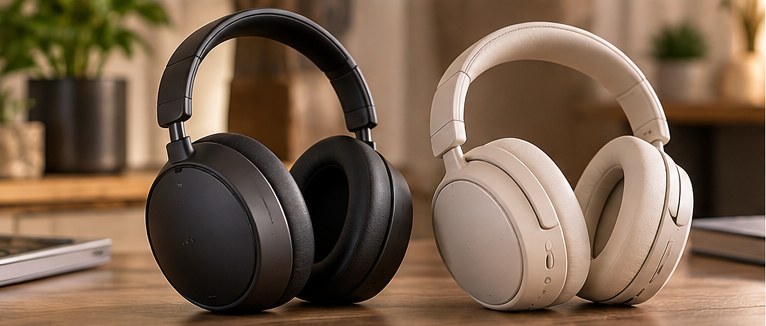
The Sony WH-1000XM6 and Bose QuietComfort Ultra Headphones (2nd Gen) are both sensible travel headphones. The difficult part is choosing between two expensive products that already reduce noise well. The useful differences are adjustment, fit, calls and wired listening.
Sony is our starting point for someone who wants more control over the sound and takes frequent calls. Bose deserves the first try-on for someone whose previous headphones felt cramped or lost their seal around glasses. Price can change the recommendation.
Sony gives you more sound adjustment
Sony’s Sound Connect app includes a 10-band equalizer. RTINGS’ comparison also describes more extensive touch controls and a small noise-isolation advantage over Bose. [1][2] Those are useful reasons to consider Sony, especially if you like changing the default sound.
An equalizer lets you alter the balance of bass, midrange and treble. It will not turn an uncomfortable headset into a good purchase, but it can make a preferred voice or instrument easier to hear without changing the hardware.
Touch gestures are a preference. They keep the cups uncluttered, while buttons can be easier to find without looking. If you plan to wear the headphones outdoors, try the controls with the gloves or hat you normally use. A gesture you miss repeatedly becomes a daily irritation.
Bose makes a strong case on fit
RTINGS’ comparison finds Bose comfortable for more wearers and more consistent in sound delivery with glasses. [1] That does not establish comfort for every head. It does make Bose worth comparing when your glasses arms interrupt a headphone seal.
Wear the headphones for more than the time it takes to select a song. Check pressure at the temples and crown, whether your ears contact the inside of the cups and whether the headset shifts when you look down. Small discomfort tends to grow over a flight or workday.
Also consider warmth. Closed headphones enclose your ears; someone who dislikes that sensation may be happier with earbuds. Better noise cancellation is of limited use if you keep removing the headset.
Both models fold for travel. Compare the cases in your actual bag. The packed size matters more than the size of the headphones in an advertising photograph.
The noise-cancellation gap is small
Active noise cancellation, or ANC, uses microphones and processing to reduce outside sound. The padding and seal also provide passive isolation. A broken seal can alter both the sound and the amount of noise you hear.
RTINGS gives Sony a slight overall isolation lead, but describes the two as close. [1] We would not pay a large premium solely for that difference. Comfort, the price you can get and your preferred controls are likely to matter more.
The sound you want reduced deserves attention. Steady engine noise is different from a nearby conversation or wind hitting the microphones. Read the relevant part of a review, rather than assuming one headline score describes every environment.
Neither pair makes an open office silent. For calls, you also need the other person to hear your voice clearly. Isolation for the wearer and outgoing microphone quality are separate measurements.
Calls favor Sony, but check your computer
RTINGS’ comparison gives Sony the better argument for frequent calls while describing Bose as usable. [1] If meetings dominate your day, try the headset with the computer and conferencing application you actually use.
Bluetooth call mode can change playback quality. A music demonstration does not show how the headset behaves when its microphone is active. Make a short test call and ask the other person whether your words remain intelligible when a fan or street noise is present.
At a desk, a headset with a boom microphone may be a better tool. Choose these travel headphones when portability, music and commuting are substantial parts of the same purchase.
Battery and USB audio can decide the purchase
Bose rates the second-generation Ultra for up to 30 hours in Quiet or Aware mode, and 23 hours with Immersive Audio. It also supports USB-C audio. [3] Manufacturer runtimes depend on the stated conditions; using additional processing can shorten listening time.
USB-C audio deserves particular attention if you want wired digital listening from a compatible device. Do not assume a charging port carries audio because the connector looks the same. Check Sony’s supported wired modes separately before deciding that the two are interchangeable.
For travel, also work out how you will connect to the seat-back system. An airline audio socket and your laptop’s USB port are different connections. Include the needed cable or adapter in the packed setup.
Spatial audio is a preference, not the deciding feature
Bose’s Immersive Audio and Cinema mode add processing intended to change the presentation. [3] Listen to ordinary stereo first. If you like a processed mode for films, use it; if it makes music sound less natural to you, leave it off.
A feature that remains disabled is not a reason to pay more. The same applies to Sony services that require compatible content or software. Compare what you will use with your existing subscriptions.
Buy the fit at a sensible price
If prices are close, choose Sony for its sound controls, touch gestures and call advantage. Choose Bose when its fit works better or USB-C audio is part of your setup.
A substantial sale changes the arithmetic. Both are already capable enough that a comfortable pair at $100 less can be the better choice. That is an example of a price gap worth considering, not a current offer. Owners of a good earlier model can wait until battery wear, damage or an uncomfortable fit gives them a concrete reason to replace it.
Sources
Sources checked October 5, 2026. Buying recommendations are Znews editorial judgments.
[1] RTINGS, Sony WH-1000XM6 vs. Bose QuietComfort Ultra Headphones (2nd Gen).
[2] RTINGS, Best noise-canceling headphones of 2026.
[3] Bose, QuietComfort Ultra Headphones (2nd Gen) specifications.